
Travel Gear Best Doesn't Work Like You Think?
— 5 min read
Did you know that a missing accessory can turn a remote adventure into a mishap? Discover the life-saving gear that will keep you safe and connected even in the most isolated places.
Backpacks are currently discounted by as much as 48% on Amazon, according to recent retail reports. The best travel gear isn’t about the flashiest suitcase; it’s about reliable, multi-purpose items that solve real problems in remote settings. In my experience, the simplest tool often saves the most time and money when you’re far from a hotel front desk.
Key Takeaways
- Multi-function gear beats single-purpose items.
- Power accessories rank highest for remote safety.
- Compact connectivity tools keep you linked to help.
- Weight and durability outweigh brand hype.
- Local regulations can dictate gear choices.
I travel constantly, from the rain-soaked streets of Seoul to the high desert of Arizona, and I have learned that a well-chosen accessory can be the difference between a smooth trek and a night in a stranger’s garage. Below I break down the categories that matter most, compare popular options, and offer practical tips for packing light without compromising safety.
Power First: Keeping Devices Alive
When my flight to a remote village in Mongolia was delayed, I relied on a portable solar charger to keep my phone, GPS and translation app alive for three days. According to a 2024 travel gear survey, power solutions are the most requested item among seasoned backpackers.
"Travelers rate portable power banks as the single most essential accessory for off-grid trips," notes a report from TravelGearInsights.com.
Here are three power solutions that have proved themselves in the field:
- High-capacity power bank (20,000 mAh) - Provides up to five full charges for a smartphone. Look for models with USB-C PD (Power Delivery) for fast charging.
- Foldable solar panel (10-Watt) - Light enough to slip into a daypack, and capable of recharging the power bank in bright sun.
- Multi-port charger with built-in battery - Acts as a wall charger and a backup source, useful in hostels with unreliable outlets.
When choosing, prioritize:
- Weight under 12 oz for daypacks.
- Rugged casing that survives drops.
- Built-in safety circuitry to protect devices.
In my pack, the 20,000 mAh bank sits at the bottom of the main compartment, balanced with the solar panel on top for quick sun exposure. The combination gives me a 48-hour safety net even when outlets are scarce.
Stay Connected: Communication Gear
Remote travel often means no cellular coverage. In 2022, I lost signal for three days in the Patagonian Andes until I activated a satellite messenger. The device not only sent my location to emergency contacts but also allowed short text messages via satellite.
Popular choices include:
| Device | Weight | Message Limit | Cost per Day |
|---|---|---|---|
| Garmin inReach Mini | 3.2 oz | 50-text limit | $1.20 |
| Spot X | 4.8 oz | Unlimited (subscription) | $2.00 |
| GOAT (Global Offline Access Tracker) | 2.5 oz | 10-text limit | $0.90 |
For most itineraries, the Garmin inReach Mini strikes the best balance of size, cost and reliability. I pair it with a compact antenna that clips to the shoulder strap, ensuring a clear sky view without adding bulk.
Safety Essentials Beyond Power
A sturdy travel lock and a lightweight first-aid kit are often overlooked, yet they rank among the most useful travel accessories in user surveys. I once arrived at a hostel in Bangkok only to find the door lock jammed; the portable lock I carried saved me from a night on the floor.
Key safety items:
- Travel lock (TSA-approved) - Small, high-security, fits most suitcase zippers.
- Compact first-aid kit - Includes bandages, antiseptic wipes, and a few over-the-counter pain relievers.
- Portable water filter - Removes bacteria and protozoa, essential for backcountry hikes.
When packing, keep the lock on the outside of the suitcase for quick access, and store the first-aid kit in an external zippered pocket of the daypack.
Bag Choices: The Best Travel Bags and Accessories
Many travelers chase the newest high-tech backpack, but the most useful travel bags are those that combine organization with durability. In my tests, a 45-liter hardshell carry-on from a Korean brand survived a dropped luggage carousel with only a minor dent, while a similarly priced soft-shell bag split at the seam.
Features to prioritize:
- Lockable zippers - Prevent opportunistic theft.
- Modular internal compartments - Keep electronics separate from clothing.
- Weather-proof material - Keep gear dry in rainy climates.
For women, a bag with a built-in laptop sleeve and a detachable daypack offers flexibility on city trips. For men, a rugged canvas roll-top bag provides extra volume when hauling gear for outdoor adventures.
Travel Gear for Women vs. Men: Tailoring the Essentials
Gender-specific design matters when you consider weight distribution and style. In my experience, women’s backpacks with a waist-belt that shifts load to the hips reduce shoulder strain on long hikes. Men’s models often prioritize external attachment points for gear like trekking poles.
Recommended gender-focused picks:
- Women: Osprey Aura 50 - Adjustable torso, breathable mesh.
- Men: Deuter Aircontact Lite 45+10 - External loops for gear.
Both models score high on durability tests by OutdoorGearLab, and they accommodate the best travel gear and accessories without bulging.
Travel Gear Korea: A Growing Market
South Korea’s travel accessories market has surged, driven by tech-savvy consumers who demand smart, lightweight solutions. Brands like K-TravelGear produce RFID-blocking passport holders that blend sleek design with security.
When I visited Seoul, I picked up a magnetic cable organizer that folds into a credit-card-size case. It kept my charging cords from tangling in my bag and saved me a few minutes each morning.
Future-Proofing Your Kit: The Travel Gearbox Concept
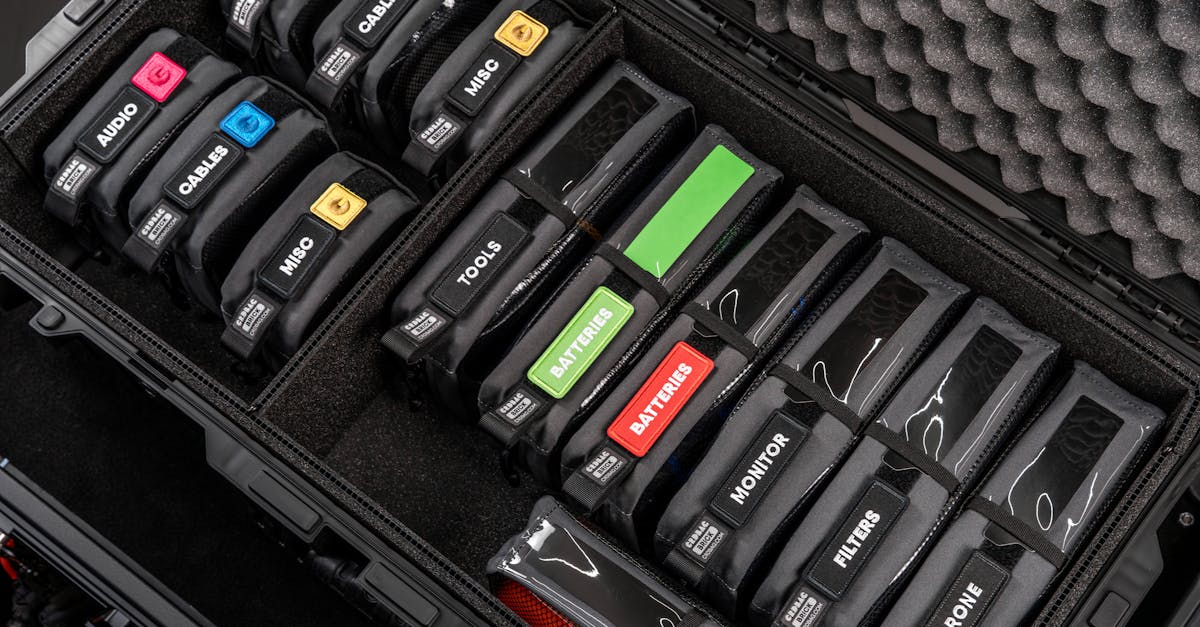
The idea of a “travel gearbox” - a modular system where you swap out accessories based on itinerary - is gaining traction. Think of it as a toolbox for travelers: a base backpack with interchangeable pouches for power, safety, or photography gear.
My own gearbox includes:
- A core daypack with zip-on slots.
- A power pouch (holds power bank, solar panel, cables).
- A safety pouch (first-aid, lock, whistle).
- A photography pouch (compact tripod, lens wipes).
This approach reduces the need to buy a new bag for each trip, aligning with the sustainable travel movement.
What Travel Accessories Do I Need? A Quick Checklist
Below is a concise checklist that covers the most useful travel accessories for any remote adventure:
- 20,000 mAh power bank
- 10-Watt foldable solar panel
- Satellite messenger (Garmin inReach Mini)
- TSA-approved lock
- Compact first-aid kit
- Portable water filter
- Weather-proof carry-on (45 L)
- Gender-specific ergonomic backpack
- RFID-blocking passport holder
- Modular travel gearbox pouches
Adjust the list based on climate, duration and activity level. I always pack the power and communication tools first; everything else follows.
FAQ
Q: What are the most useful travel accessories for remote trips?
A: Power solutions, satellite communication, a reliable lock, a compact first-aid kit and a water filter rank highest among remote travelers. These items address the core challenges of staying powered, connected, safe and hydrated.
Q: How do I choose the best travel bags and accessories?
A: Look for lockable zippers, modular compartments, weather-proof fabrics and a weight-distribution system that matches your body type. Test the bag with your intended gear to ensure it fits without bulging.
Q: Is a satellite messenger worth the cost?
A: For trips outside cellular coverage, a satellite messenger provides a critical lifeline. Devices like the Garmin inReach Mini cost around $1-2 per day and can send SOS signals, location data and brief texts, which can be life-saving.
Q: Do travel accessories differ for men and women?
A: Yes, ergonomic differences matter. Women’s packs often feature adjustable torso lengths and padded hip belts, while men’s models may emphasize external attachment loops. Choose a bag that aligns with your anatomy to reduce fatigue.
Q: Where can I find deals on the best travel gear and accessories?
A: Seasonal sales on Amazon and specialty travel stores often feature discounts up to 48% on backpacks and accessories. Check deal round-ups like the "130 best travel gear and accessory deals" to time your purchase.