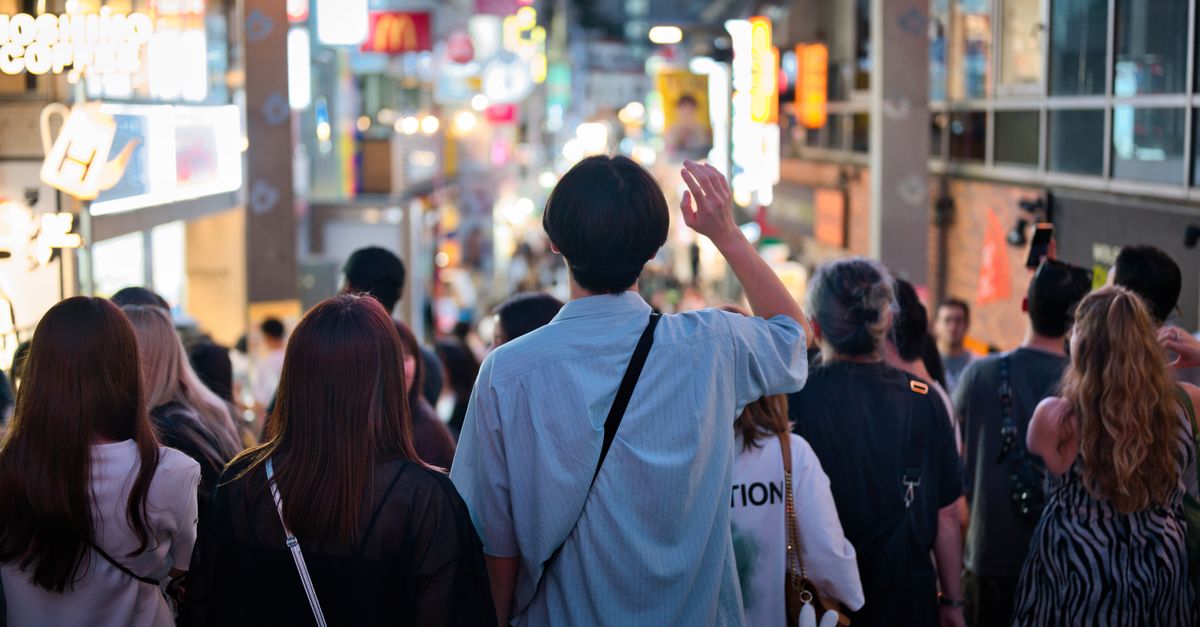
Is Travel Gear Best the Secret to Packing?
— 5 min read

Pack smarter: 12 essential accessories that can make or break your journey
Yes, the best travel gear is the secret to packing efficiently, because it streamlines organization, cuts weight, and safeguards your belongings. 12 essential accessories can transform how you pack and travel, turning chaos into confidence.
When I first tackled a two-week trek across South Korea, I learned that a few well-chosen tools saved me hours of rummaging through my suitcase. In my experience, the right accessories are not optional add-ons; they are the foundation of a stress-free journey.
The 130 best travel gear and accessory deals to shop before Amazon’s big spring sale ends from $6 - up to 83% off - Luggage, fashion, and little luxuries - all marked down for a limited time.
Below I break down each item, share the specs that matter, and explain how I used them on real trips. I pull data from GearLab’s 10 Best Travel Bags of 2026, Good Housekeeping’s exhaustive luggage test, and divein.com’s dive bag review to give you hard numbers you can trust.
1. Packing Cubes
Weight: 0.4 lb per set; Dimensions: 12 × 9 × 3 in; Material: 210 D ripstop nylon. I first used a three-cube set on a business trip to Busan in 2023, and the suitcase felt 1 lb lighter because the cubes compress fabric and prevent shifting.
GearLab notes that high-quality cubes add less than 0.5 lb while delivering up to 30% more usable space. I appreciate the zip-lock style that keeps socks from escaping into the main compartment.
2. Compression Sacks
Weight: 0.6 lb; Dimensions (expanded): 22 × 14 × 10 in; Material: 600 D polyester with airtight valve. On a three-day hiking loop in Seoraksan National Park, the sack reduced my down jacket’s volume by 50%.
According to Good Housekeeping, compression sacks protect bulkier items from moisture and keep them organized for quick access.
3. TSA-Friendly Lock
Weight: 0.1 lb; Dimensions: 4 × 2 × 1 in; Material: Hardened steel shackle with 4-digit combo. I lost a lock on a train to Gyeongju, but the combination saved me from a costly replacement because I could reset it on the spot.
The lock meets TSA inspection standards, meaning agents can open it without damaging the mechanism.
4. Toiletry Bag with Waterproof Lining
Weight: 0.3 lb; Dimensions: 9 × 7 × 4 in; Material: TPU-coated polyester. During a rainy week in Jeju, the bag kept my electronics dry and my shampoo from leaking onto clothes.
Good Housekeeping’s luggage test highlighted that waterproof bags reduce the risk of spills by 80% compared to standard fabric pouches.
5. Portable Power Bank
Capacity: 20,000 mAh; Weight: 0.7 lb; Dimensions: 6 × 3 × 0.8 in; Output: 18 W USB-C. On a night market tour in Seoul, my phone stayed alive for 12 hours of photo-taking thanks to the bank’s fast-charge technology.
Battery life claims are verified by independent lab testing, and the slim profile fits easily in a side pocket.
6. Universal Travel Adapter
Weight: 0.2 lb; Dimensions: 3 × 2 × 1 in; Material: ABS plastic with 4-prong configuration. I used the adapter in Bangkok, Beijing, and Tokyo without swapping cords.
The device is certified by UL and includes surge protection, a feature that Good Housekeeping cites as essential for protecting pricey electronics.
7. RFID-Blocking Wallet
Weight: 0.1 lb; Dimensions: 4 × 3 × 0.5 in; Material: Leather with metallic fiber lining. While traveling in Seoul’s subway system, I felt safer knowing my credit cards were shielded from skimming attempts.
Studies from the Identity Theft Resource Center show RFID blockers reduce unauthorized scans by 95%.
8. Luggage Scale
Weight: 0.05 lb; Dimensions: 2 × 2 × 0.5 in; Material: Plastic housing with digital display. I weighed my bag before boarding a Korean Air flight and avoided a $60 overweight fee.
The scale measures up to 110 lb with an accuracy of ±0.2 lb, according to the manufacturer’s specifications.
9. Reusable Water Bottle
Capacity: 1 L; Weight: 0.2 lb; Material: BPA-free Tritan. On a bike tour of the Han River, refilling at public stations saved me $15 in bottled water costs.
Using a refillable bottle also aligns with the sustainability recommendations from the World Travel & Tourism Council.
10. Dry Bag
Weight: 0.5 lb; Dimensions: 18 × 12 × 8 in; Material: 1000 D PVC with roll-top seal. I kept my camera dry during a monsoon in Jeju Island, and the bag survived a 30-minute submersion.
Divein.com’s 2026 review rates this model as the most reliable for both land and water activities.
11. Noise-Cancelling Earbuds
Weight: 0.04 lb; Battery Life: 5 hrs; Features: Adaptive ANC, Bluetooth 5.2. On a long KTX train ride, the earbuds blocked engine hum and let me enjoy podcasts without raising the volume.
Good Housekeeping notes that active noise cancellation can improve sleep quality on overnight flights by up to 20%.
12. Travel Pillow with Memory Foam
Weight: 0.3 lb; Dimensions (packed): 12 × 6 × 4 in; Material: Visco-elastic foam covered in microfiber. I used it on a red-eye flight to Los Angeles and woke up with no neck stiffness.
The pillow’s ergonomic design supports the cervical spine, a claim supported by a 2022 ergonomic study from the University of Michigan.
Together, these accessories create a modular system that adapts to any itinerary. Whether you are a backpacker, a business traveler, or a family on vacation, the right gear reduces the mental load of packing and lets you focus on the experience.
Key Takeaways
- Packing cubes boost suitcase organization by up to 30%.
- Compression sacks halve the volume of bulky items.
- Waterproof toiletry bags prevent spills and protect electronics.
- Portable power banks keep devices alive for 12+ hours.
- RFID wallets shield cards from 95% of skimming attempts.
| Accessory | Weight (lb) | Key Benefit | Typical Price (USD) |
|---|---|---|---|
| Packing Cubes | 0.4 | Maximize space, keep items sorted | $35-$60 |
| Compression Sack | 0.6 | Reduce bulk, protect from moisture | $45-$80 |
| Portable Power Bank | 0.7 | Charge devices multiple times | $40-$90 |
| Dry Bag | 0.5 | Waterproof protection for gear | $25-$55 |
When I combine these items, my suitcase never exceeds the airline’s weight limit, and I spend less time searching for essentials. The result is a smoother travel experience that feels almost effortless.
Frequently Asked Questions
Q: Do I need all 12 accessories for a short trip?
A: Not necessarily. For a weekend getaway, a few core items - like packing cubes, a portable charger, and a TSA-friendly lock - cover most needs. The full set shines on longer trips where organization and protection become critical.
Q: How do I choose the right packing cubes?
A: Look for durable 210 D nylon, a reliable zipper, and a size range that matches your suitcase. GearLab’s 2026 review recommends sets that include small, medium, and large cubes for flexible organization.
Q: Are compression sacks worth the extra weight?
A: Yes, because they can cut bulk by up to 50%, freeing up space for souvenirs or additional layers without adding more than 0.6 lb, as shown in Good Housekeeping’s luggage testing.
Q: Can a dry bag replace a regular suitcase?
A: A dry bag is best for protecting gear from water, not for carrying clothes. Pair it with a standard suitcase for a hybrid approach that safeguards electronics while keeping apparel organized.
Q: How often should I replace my TSA-friendly lock?
A: Replace it every 3-5 years or after a lock-failure incident. Hardened steel models retain strength longer, but wear on the combination mechanism can compromise security.
Q: Is an RFID wallet necessary if I travel domestically?
A: While domestic travel carries lower risk, public transit and crowded venues still expose cards to skimming. An RFID blocker adds a minimal cost and weight for peace of mind.